
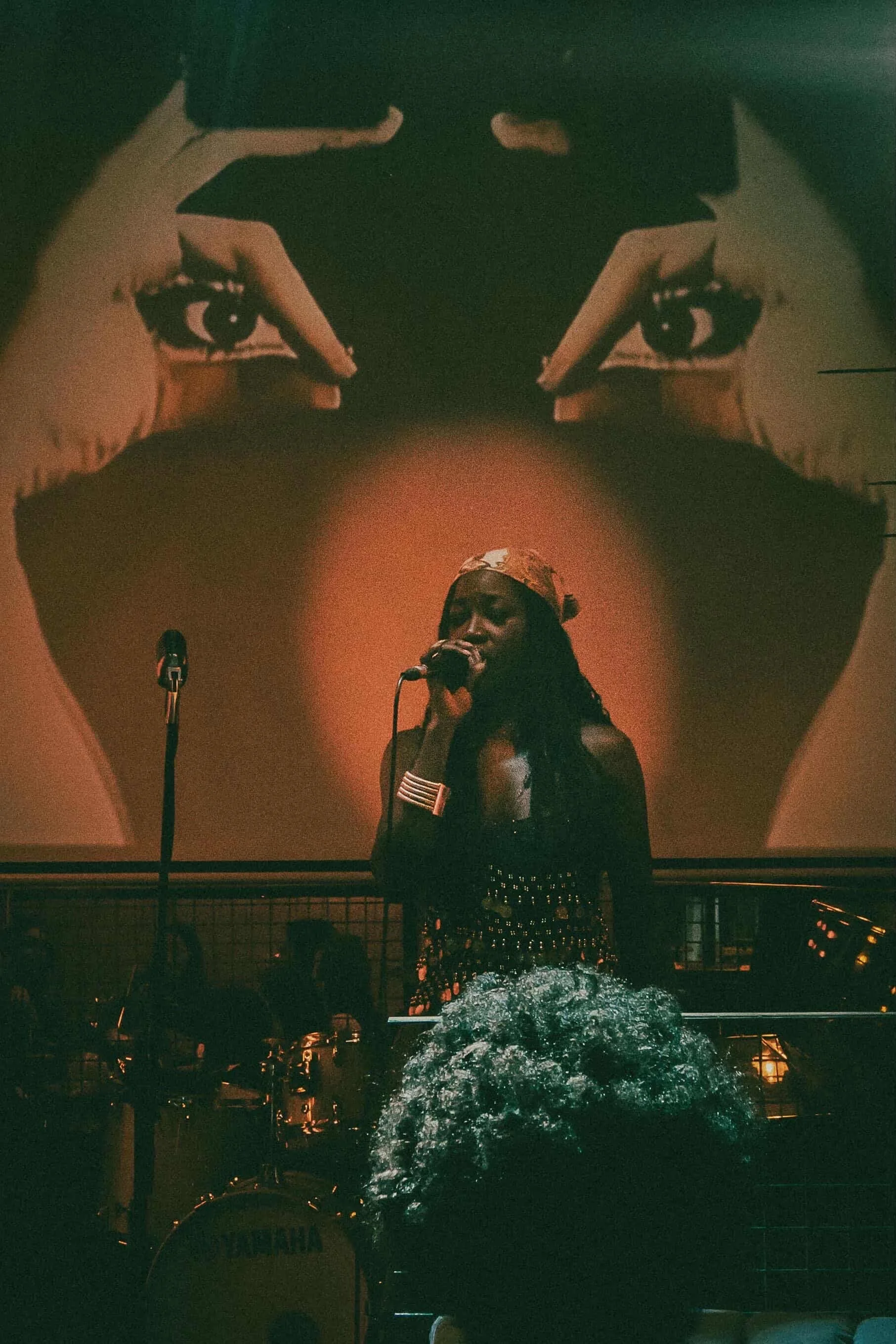
AXELLE
AXELLE
Image: Joseph Ankobiah
Meet Axelle: The Afro-R&B Artist Turning Vulnerability Into Power
Cameroon-born, Barcelona-based, and impossible to box into one genre, Axelle, makes music that lives somewhere between fantasy and confession.
She's been singing since she was seven, writing since eleven, and she's not shy about wanting it all: big stages, real success, and a platform to put her country on the map. Along the way, she opens up about the SZA obsession that changed everything, the Amapiano track she swore she'd never make, and why feeling deeply is never something to hide.
You describe your music as a "fantasy world you created for yourself." What does that world look and feel like — and when did you first realise other people could enter it too?
In that world, I am more fierce and expressive, and vulnerability is valued.I’m actively trying to bring that fantasy world into my current reality.
My first songs were inspired by people. The first song I ever wrote was for my mom, and the second was for my bully, who actually asked me to write a song for her. People entered that world by singing those songs, so I’d say my fantasy world has always included other people. My music often revolves around feelings sparked by people or things I wish I could have said to certain people.
Afro-R&B, pop, soul — how did you land on this fusion?
I grew up listening to so many different artists from different genres, Shania Twain, Celine Dion, Sade, Tracy Chapman, Brandy, Tiwa Savage… the list is honestly endless. Even though their sounds were different, I loved all their melodies. When I started writing later in life, I couldn’t decide on just one genre because I genuinely loved them all. I naturally started blending all those influences into my own sound. Honestly, I don’t want to box myself into one genre. I’m too complex as a person to limit myself creatively.
What are your biggest influences and inspirations when it comes to creating music?
I would say SZA is my biggest musical influence. She came into my life a bit later because I was 18 when I listened to CTRL for the first time. After that, I went down a rabbit hole with her music and became obsessed with how different and addictive it felt. She writes in such a vulnerable way, and I related to that deeply. I want my audience to feel that same emotional connection through my music. Beyond that, my inspiration really comes from different artists, life experiences, emotions, conversations. I find inspiration in almost everything.
How does your culture and heritage influence your music, and how do you navigate that living in Barcelona?
My culture and heritage are extremely important to my music. My goal is to blend the melodies I grew up with into modern sounds in a way that still feels authentic to me, I just haven’t fully found the right medium for it yet. Navigating that while living in Barcelona can be pretty tough. I live in a place where the mainstream music scene is very different from the kind of music I make, so finding the right audience can sometimes feel difficult. But I’m still very optimistic about what’s to come because people are curious, and music is a universal language. It may be challenging, but it’s also a beautiful experience.
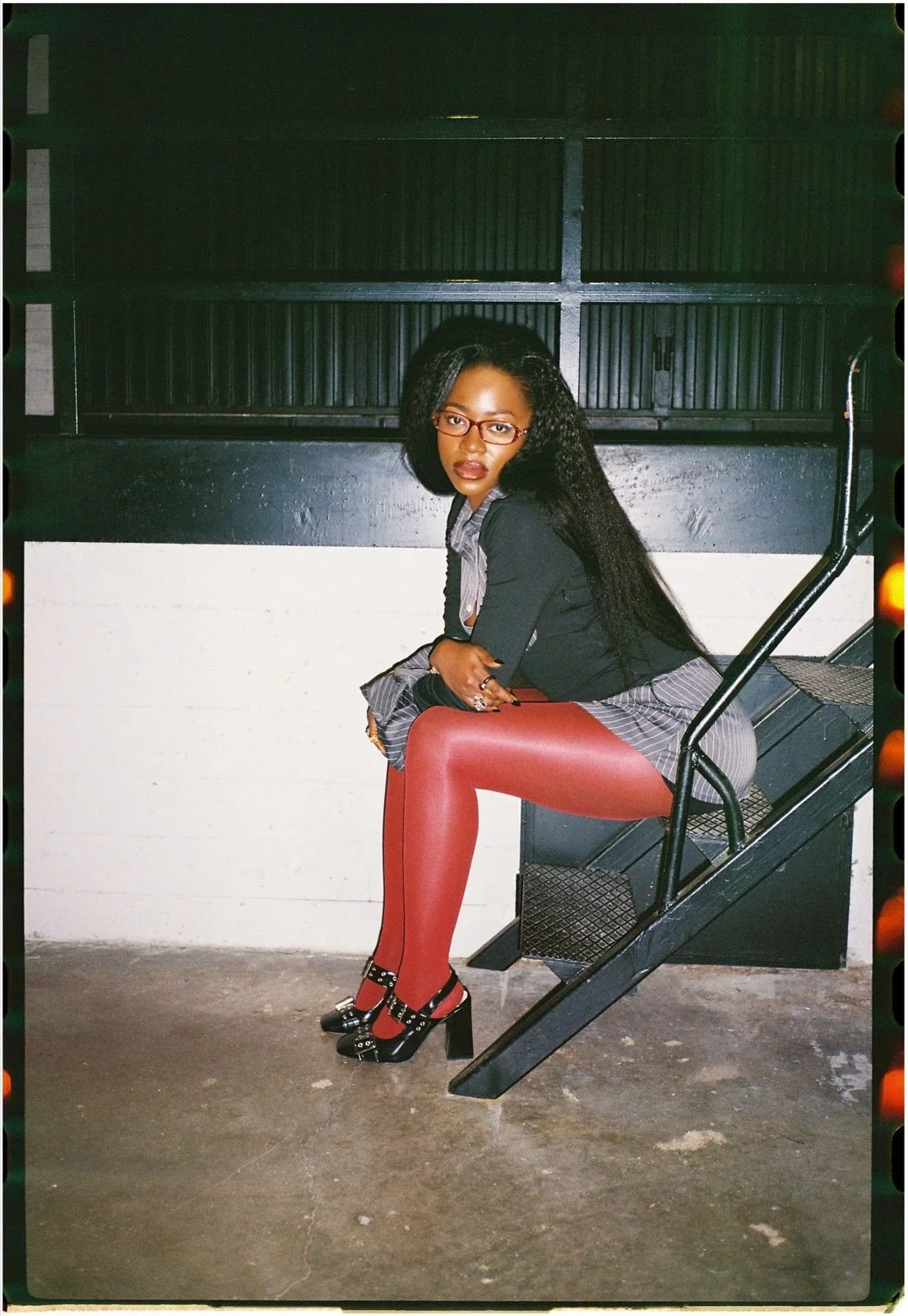
Image: Paulina
Out of all the music you’ve released so far, what are you most proud of? Why?
This is a tough one because I love so many of my songs, and I can see my evolution with each release. But I’d probably say LVR GIRL, especially the second verse. I really love the flow and cadence in that verse because it contrasts so much with the Amapiano-inspired production, and I’m a huge fan of contrasts in music. What’s funny is that a week before recording the song, I had told myself I would never make an Amapiano-inspired track because everyone was doing it at the time. Then the producer sent me the beat. It was my first collaboration, and I didn’t want to miss the opportunity, so I listened to it and wrote the first verse in about five or ten minutes. By the second verse, I felt much more confident and decided to switch up the cadence completely.
Where do you hope to see yourself end up with your music?
I would say on big stages and famous. I really want to emphasise the “famous” part because people tend to demonise those who openly want fame and success. But I’ve finally accepted that it’s something I truly want. I love music deeply, and I also want the level of success that comes with mastering my craft. I want to use that visibility to put my country on the map. Fame itself isn’t a bad thing, it all depends on how you use it, and I know my intentions are pure.
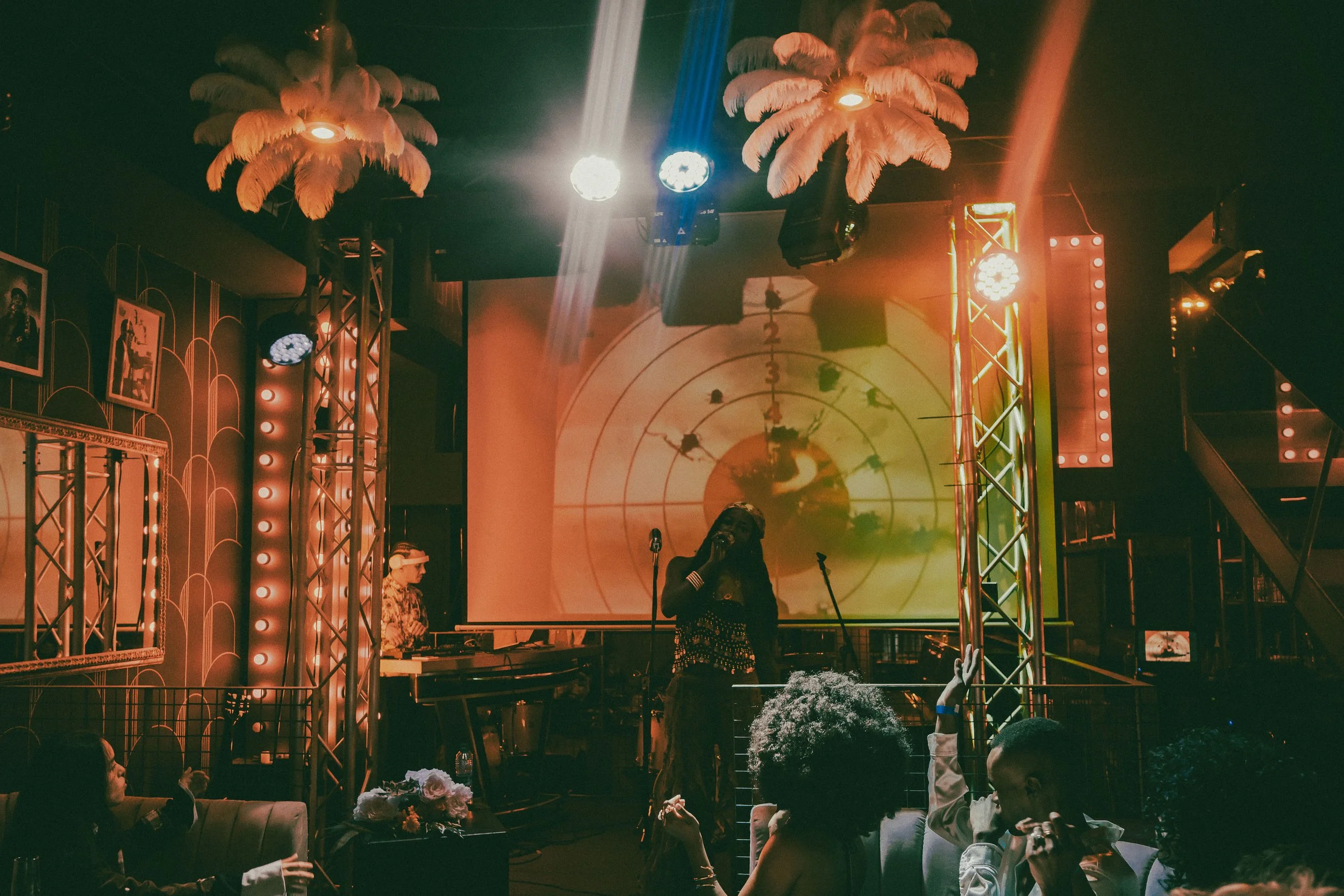
Image: Joseph Ankobiah
Your Spotify says "your feelings are powerful, and your story matters." which I absolutely love. Why do you feel people need to hear this?
Because every feeling and emotion is powerful, even anger. I’ve never been someone who hides their emotions or pretends not to care. I want my audience to know that feeling deeply is not a crime, and that their stories matter because someone else might see themselves reflected in them.
What part do you feel music has to play in the world today?
Music has always been a weapon since the beginning of time. It’s used in prayer, in celebration, in clubs, music is deeply connected to the human experience. I think in today’s world, it’s important for us to return to making music with intention. Sometimes that sense of intentionality feels missing in modern music, which is why people often go back to older songs for comfort and depth. But if we keep relying on the past for meaningful music, what will future generations remember about ours? With everything happening around us, I think artists should create more intentionally. Honestly, this is also a message to myself because sometimes I get so caught up in the pressure to succeed that I forget to create from a genuine place. I don’t know if I fully answered the question, but I do think this generation is heavily influenced by music, especially nostalgic music.
What advice do you have for other young up and coming artists?
It’s not easy at all. You’ll cry, question yourself, and feel lost many times, but it’s worth it. Every time you keep going, you evolve and learn more about yourself and your craft. A lot of the beauty in the creative process comes from the chaos surrounding it. And most importantly, never forget why you started in the first place.
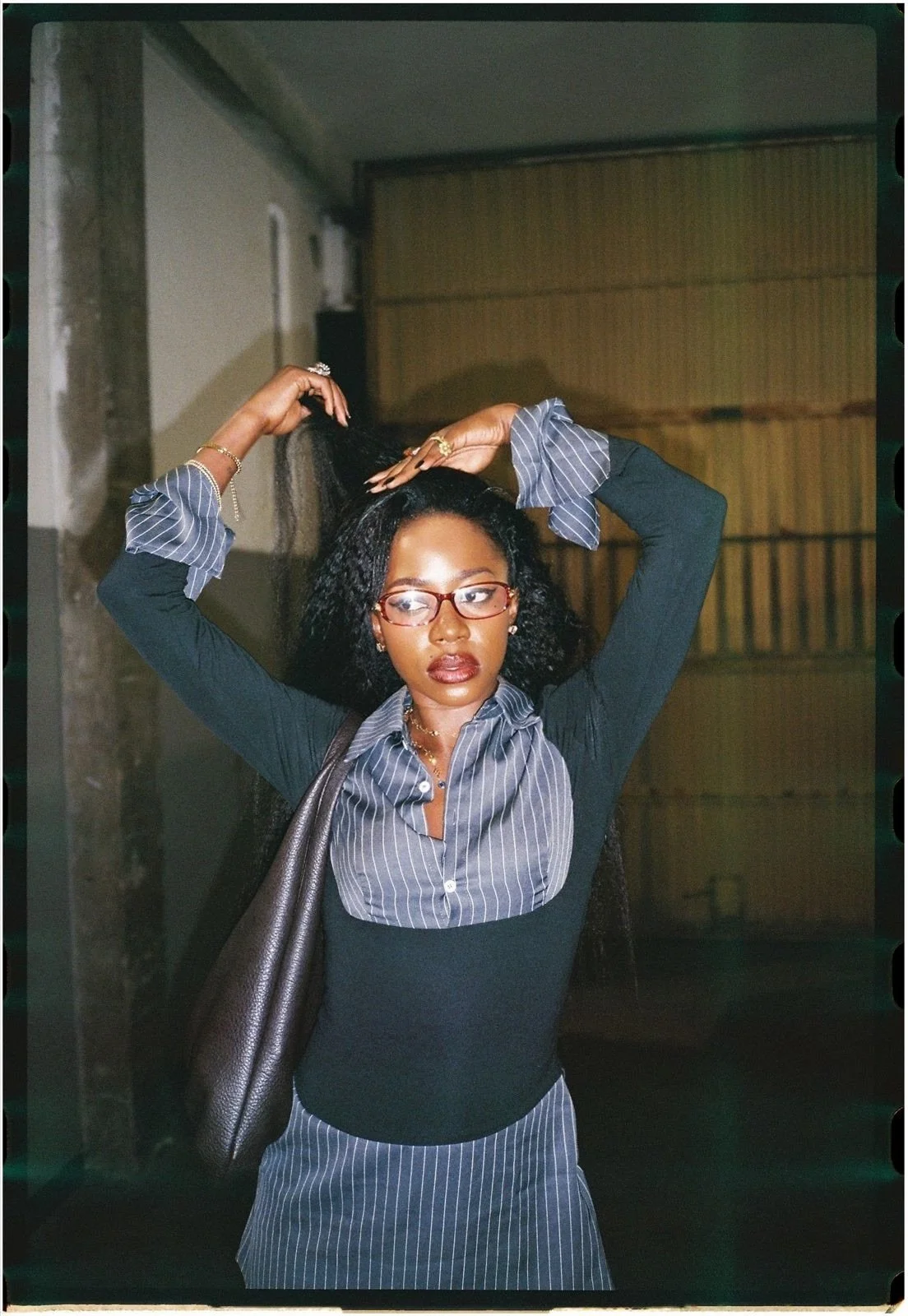
Image: Paulina