No Rules, Just Sound: Base21 On Motion
For Tokyo-based producer Base21, a new song can suddenly make the same street feel different. That feeling is where his debut album, On Motion, began. Released on November 20, the ten-track record moves from the introspective jazz and R&B harmonies of its first half towards the house and electronic grooves of its second, tracing the different ways motion can be felt: emotionally, physically, and in the quiet shifts of everyday life.
In this conversation, Base21 talks about making music without rules or genre boundaries, how Tokyo's changing atmospheres find their way into his sound, and handing the album's visual identity to creative team Grey93.
Was there a particular moment when you began to see creativity as something you wanted to pursue seriously?
I don't think there was one particular moment. Music has always been a part of my life. I've always loved listening to music, and at some point I realised that even the same song can make me feel completely different things depending on when I hear it or how I'm feeling. The music itself hasn't changed, but the way I experience it has. I've always found that really interesting. I wanted to express those kinds of feelings through my own music. I've been making music for a long time, but the way I create now feels the most natural to me. I don't feel tied to any particular rules or expectations. I just follow what I'm feeling and turn it into sound. So rather than making a conscious decision to pursue music seriously, I think I just kept making the music I loved, and eventually found myself here.
Jazz and R&B harmonies sit alongside house grooves and electronic production throughout the album. What initially drew you to them and when did you realise they could coexist in your work?
I've never really limited myself to listening to one particular genre. I've always chosen music based on how I'm feeling, where I am, or what I'm doing at that moment. I think the music I make is simply a reflection of that. Jazz, R&B, house and electronic music might belong to different genres, but at the end of the day, it's all music to me. I think there's something really satisfying about finding that moment where different sounds come together and just feel right. I never set out to combine genres intentionally. I just followed the sounds I liked, and over time, that naturally became the sound of Base21. I'm still exploring those connections and looking for new ways to bring different sounds together.
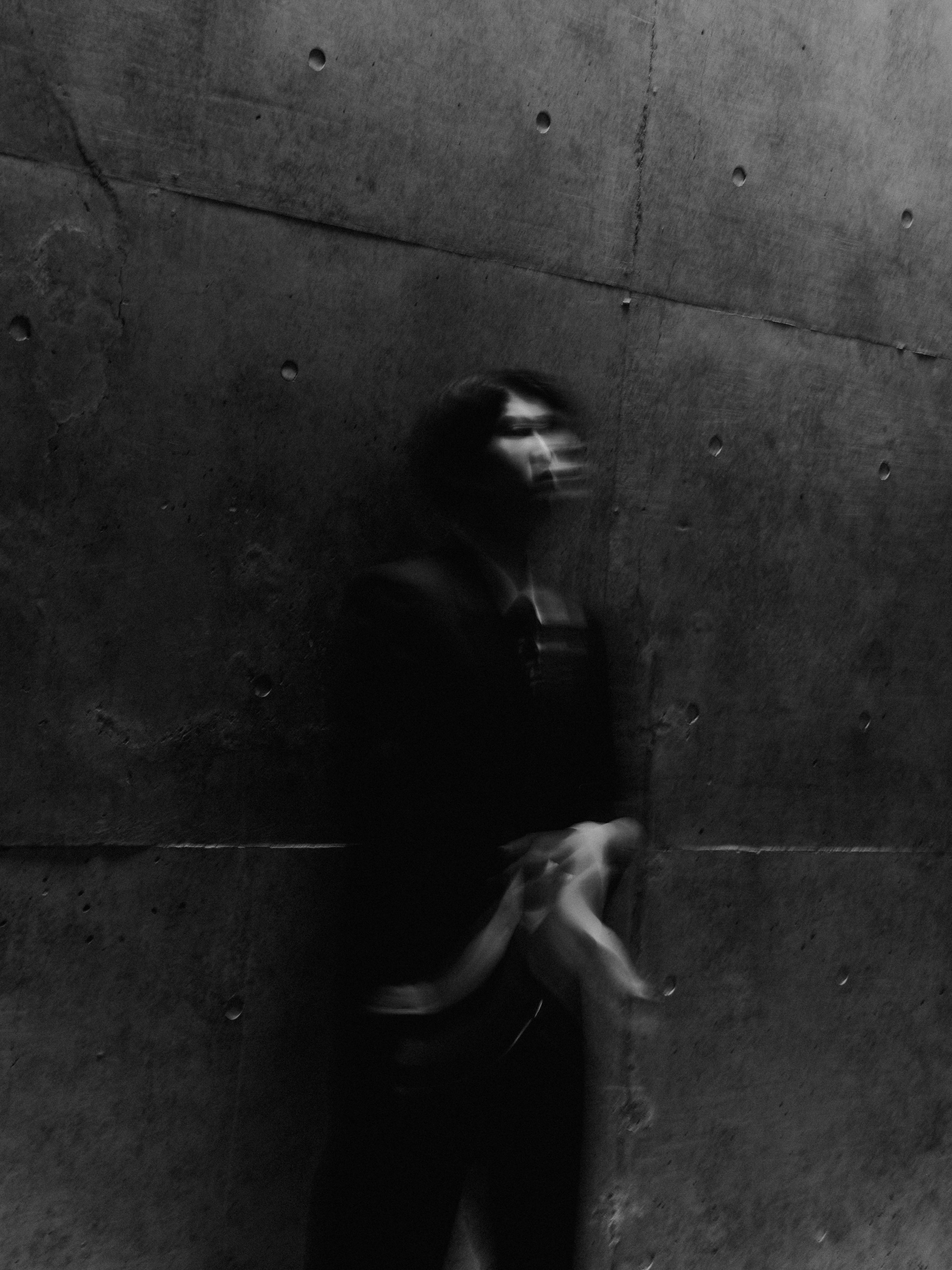
You've collaborated with creative team Grey93 to develop the visual identity of On Motion. How important was it that the artwork and imagery communicated something beyond the music itself?
For this project, I shared the music with them and gave them the freedom to create whatever they felt inspired to make. I live and make music in Tokyo, while they work with internationally recognised artists and are exposed to a different creative environment. I knew we probably saw the world differently, and that was exactly what interested me about working together.
Rather than asking them to recreate something I already had in mind, I wanted to see how they would interpret my music through their own perspective. I focused on making the music, and trusted them to express it visually in their own way. I think when different creatives bring their own perspectives to a project, something new can emerge that neither could have created alone. That's what made this collaboration meaningful to me.
You're based in Tokyo and are developing your sound within the city's underground electronic scene. How does living and creating in Tokyo influence your music?
I think living in Tokyo naturally influences my music, but probably more through everyday experiences than through any particular music scene. I really enjoy walking around the city alone while listening to music. One thing I love about Tokyo is how quickly the atmosphere can change as you move from one area to another.
You can be surrounded by people and noise, and then just a few streets away, find yourself somewhere completely quiet. Even the same place can feel different depending on the time of day. I think those little changes in atmosphere and the feelings they create naturally find their way into my music.
It's not necessarily about recording sounds from the city or directly recreating something I've heard. It's more about how everyday experiences make me feel, and how those feelings eventually become music.

You describe On Motion as less of a culmination and more of a starting point. What does this next stage of your artistic development look like, and are there things you feel ready to explore that you haven't before?
With On Motion, I feel like I've been able to bring together the music I've been wanting to make into one album. But I don't see it as something I've completed and can now move on from. If anything, making this album has given me a clearer idea of what I want to do next. One of my biggest goals is to work more actively with artists from different countries. I'm really interested in what can happen when people with different musical backgrounds and perspectives create something together.
I also want to bring Base21's music to audiences outside Japan through live performances and events. I'm hoping to create more opportunities to connect with people through music, not just through streaming platforms, but in real spaces where we can share that experience. I don't necessarily want to move into more genres. I want to keep making the music I love, while finding new people, places and ways to share it.
What advice do you have for other young artists?
I still have a lot to learn myself, so I'm not sure I'm really in a position to give advice. But one thing I want to keep doing is following whatever genuinely moves me. Making music doesn't always go the way you hope. You can spend a lot of time creating something, and it might not reach as many people as you wanted.
But I think just knowing that there's someone out there listening to your music means a lot. Sometimes, that alone is enough to make you want to create the next song. So I think it's important to hold on to what you genuinely love and keep making music that means something to you.